Streaming Services: How to Choose the Best for You
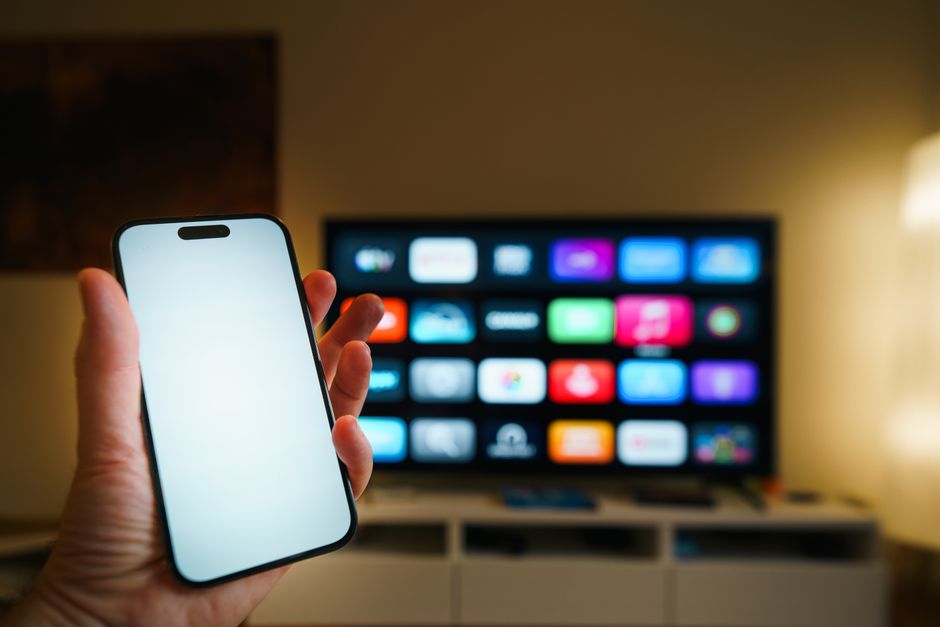
In the United Kingdom, the landscape of home entertainment has evolved significantly with the proliferation of streaming services. With numerous platforms available, each offering a unique mix of content, pricing structures, and user experiences, choosing the right one can be a complex decision. This article aims to provide a neutral and informational comparison of popular streaming services, focusing on content libraries, subscription costs, and platform features. By understanding the distinct characteristics of each service, you can make an informed choice that aligns with your viewing preferences and budget.
Streaming services have transformed how audiences access and enjoy films, television series, documentaries, and original productions. Unlike traditional cable or satellite TV, these platforms offer on-demand access to a vast array of content, often with no long-term contracts. However, the sheer variety of options can lead to decision fatigue. This guide will break down the key factors to consider, including content diversity, pricing models, streaming quality, and device compatibility, to help you select the service that best fits your needs.
Content Libraries: Variety and Originality
One of the most significant differentiators among streaming services is the depth and breadth of their content libraries. Some platforms focus on blockbuster movies and popular TV series, while others specialize in niche genres or award-winning original productions. For instance, Netflix has built a reputation for its extensive collection of original series and films, spanning genres like drama, comedy, sci-fi, and crime. Its original programming, such as The Crown and Stranger Things, has attracted a large subscriber base. Amazon Prime Video offers a mix of licensed content and originals, with a particular emphasis on high-budget productions and exclusive sports rights in some regions. Disney+ is notable for its family-friendly content, including Marvel, Star Wars, Pixar, and National Geographic titles, making it a preferred choice for households with children. Meanwhile, Hulu, primarily available in the US but accessible internationally through partnerships, provides a strong selection of current and classic TV episodes, often soon after airing, along with original series.
When comparing content libraries, it is essential to consider not only the quantity but also the quality and relevance to your interests. Some services rotate their catalogues periodically, which can affect whether a particular title remains available. Additionally, regional licensing agreements mean that content availability can vary by country. Therefore, it is advisable to check the specific content offerings in your region before committing. For those who value exclusive and original productions, platforms that invest heavily in in-house content may be more appealing. Conversely, viewers who prefer a wide range of third-party movies and shows might find services with extensive licensed libraries more suitable.
Pricing and Plan Structures
Subscription costs are a crucial consideration when selecting a streaming service. Most platforms offer multiple tiers, ranging from basic plans with advertisements to premium plans with 4K resolution and multiple simultaneous streams. In the UK, Netflix provides three main plans: Basic, Standard, and Premium. The Basic plan offers standard definition (SD) and allows streaming on one screen at a time, while the Standard plan includes high definition (HD) and two screens. The Premium plan features ultra-high definition (UHD) and four concurrent streams. Amazon Prime Video, on the other hand, is often bundled with Amazon Prime membership, which includes other benefits such as free shipping and music streaming. This bundling can offer significant value for regular Amazon shoppers. Disney+ has a straightforward pricing model with a single monthly or annual fee, providing access to all content in 4K when available. Hulu offers multiple plans, including a lower-cost ad-supported option and a more expensive ad-free tier, with the possibility of bundling with Disney+ and ESPN+.
It is also worth considering the availability of free trials, student discounts, and annual payment options, which can reduce the overall cost. Some platforms periodically offer promotional deals, making it worthwhile to compare current offers. Additionally, the total cost of multiple subscriptions can accumulate, so it is prudent to evaluate if a single service meets your needs or if a combination of two could be more cost-effective. The decision often hinges on your viewing habits and how much you are willing to pay for features like ad-free streaming, higher video quality, and the convenience of simultaneous streams for different household members.
Platform Features and User Experience
Beyond content and price, the user experience plays a vital role in overall satisfaction. This includes the interface design, search functionality, video quality, and device compatibility. A well-designed interface can make it easier to discover new content and manage your watchlist. Netflix and Disney+ are widely praised for their intuitive interfaces, with personalized recommendation algorithms that suggest titles based on viewing history. Amazon Prime Video has improved its interface over the years, but some users find it cluttered due to the integration of rental and purchase options alongside included content. Hulu’s interface also offers a clean layout, though the presence of ads on lower tiers can disrupt the viewing experience.
Video quality is another important factor, especially for viewers with high-resolution televisions and robust internet connections. All major services now offer at least 1080p full HD, with premium tiers providing 4K HDR and Dolby Atmos support for a cinematic experience. The stability of streaming, including buffering times and adaptive bitrate, depends on your internet speed and the platform’s infrastructure. Offline viewing is another feature that many users appreciate; Netflix, Amazon Prime Video, and Disney+ allow downloading select titles to mobile devices for offline playback, which is useful during travel or in areas with limited connectivity.
Device compatibility is typically extensive across all platforms, supporting smart TVs, streaming sticks, game consoles, and mobile devices. However, the specific apps and their functionality can vary. For instance, some older TV models may not support the latest app versions, so it is advisable to check compatibility with your devices. Additionally, the number of simultaneous streams and the ability to create separate user profiles are significant for households with multiple viewers. Netflix and Disney+ allow up to seven profiles per account, while Amazon Prime Video provides profiles for different users under the same account. Hulu also supports profiles, though the number may depend on the plan.
Considerations for the UK Audience
For viewers in the United Kingdom, there are several country-specific factors to take into account when comparing streaming services. First, content libraries are often different from those in the US, with some titles unavailable due to licensing restrictions. For example, Hulu is not directly available in the UK; instead, it is offered through a premium add-on via Starzplay or as part of a Disney+ subscription with its Star content block, which includes a selection of films and TV shows from Hulu’s library. This integration is unique to the international market and can affect the perceived value of Disney+. Additionally, the BBC’s iPlayer and ITV Hub offer free, ad-supported streaming of UK programming, which can complement paid services. Some viewers might prefer a service that includes live TV or sports, such as Amazon Prime Video’s coverage of Thursday Night Football or the UEFA Champions League, though these are subject to change.
Another consideration is the total cost of ownership across multiple services. With the rise of subscription video on demand (SVOD), it is easy to accumulate several subscriptions, leading to significant monthly outlays. To manage costs, some users opt for a rotation strategy, subscribing to one service at a time and cancelling when they have watched the content that interests them. Others may choose bundles, such as the Disney+ and Hulu package, which can offer savings compared to separate subscriptions. It is also worth checking if your mobile or broadband provider offers perks that include streaming services, as this could reduce expenses.
Ultimately, the best streaming service depends on your individual preferences, budget, and viewing habits. By systematically evaluating the content offerings, pricing, and features described above, you can make a decision that aligns with your entertainment needs. It is also beneficial to take advantage of free trials or promotional periods to test a service before committing to a subscription. Remember that the streaming market is dynamic, with new services and content constantly emerging, so periodically reassessing your choices can help ensure you continue to get the most value from your subscriptions.